A doormat is the hardest-working floor covering in the house — it intercepts the dirt, water and grit that would otherwise travel through every room. Most homes under-use theirs: too small, wrong fiber, or placed where it cannot do its job. Here is how the pros layer entry protection, and why coir — the fiber inside coconut husks — remains the standard.
Coir is the coarse fiber stripped from coconut husks — stiff, bristly, and essentially waterproof in daily use. Those qualities make it the perfect scraper: the stiff bristles knock grit out of shoe treads the way softer fibers never can. A traditional coir doormat holds a decade of scraping in outdoor conditions; the fibers' natural brown tones hide the dirt they collect between cleanings. The trade-off: coir sheds slightly at first and is not soft underfoot — it is a tool, not a comfort.
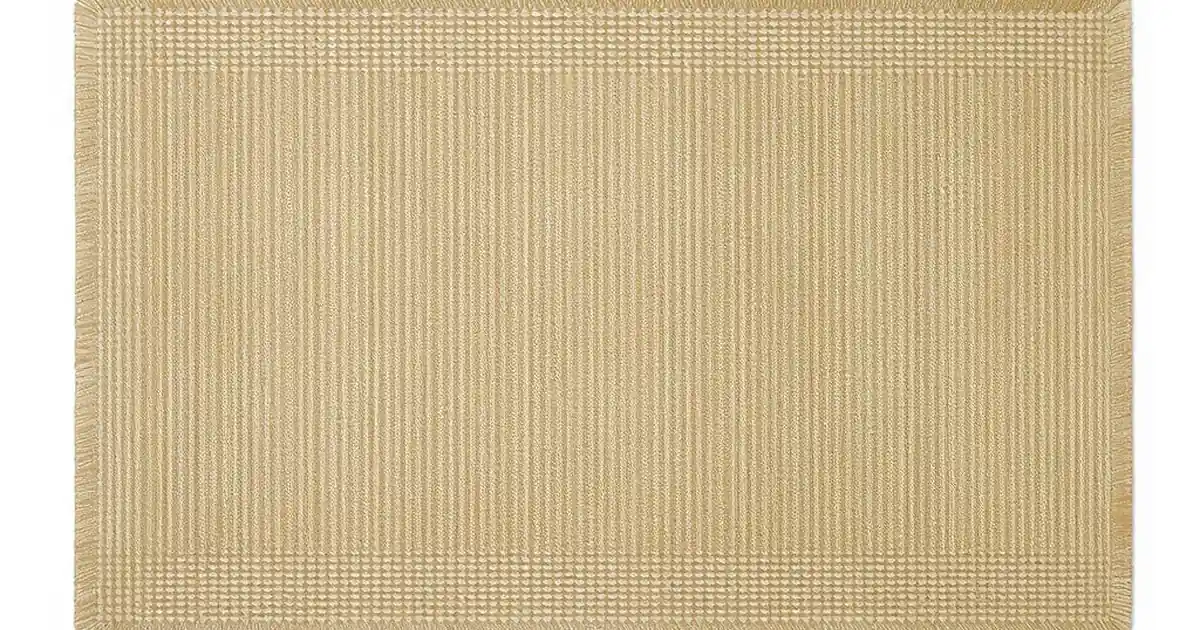
A doormat should be as wide as the door's swing — for standard doors, that means 18x30 inches minimum, and 24x36 for double-wide entries. A mat narrower than the door lets traffic walk around it, and traffic will: the path of least resistance always wins. Our coir doormats come in both standard sizes for exactly this reason.
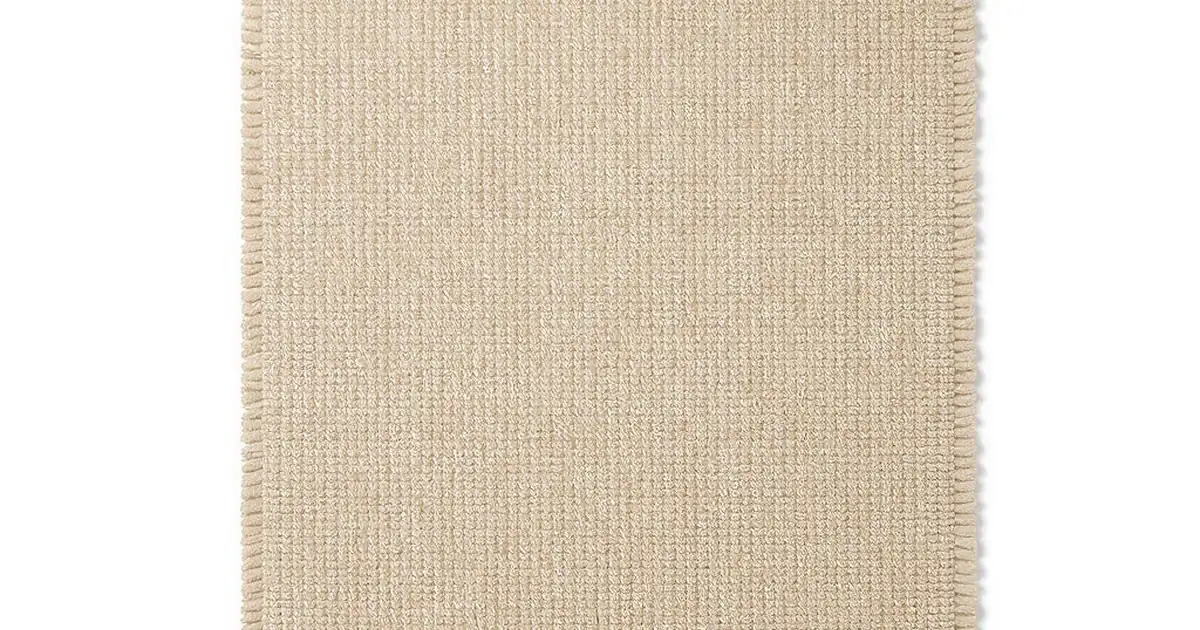
The entry systems that actually keep floors clean work in three stages. Stage one: a scraper mat outside the door — coir in a covered spot, or rubber-backed for full exposure. Stage two: the threshold — a covered porch mat if the entry has one. Stage three: the inside mat, where softer fibers finish the job by catching the fine dust the scraper missed. Each stage removes what the previous one missed; a single mat removes only half of what shoes carry. Homes with the full three-stage system mop dramatically less — the math shows up in the bucket.
Coir handles covered porches indefinitely; full sun and driving rain bleach and break it down over a few seasons. For completely exposed entries, use coir under cover and a rubber or polypropylene scraper outside. The 24x36 coir mat is the workhorse for the covered middle position most homes have.
Coir cleans by beating, not washing — take it outside, hold an edge, and whack it against the ground a few times; the embedded grit falls out. A stiff brush works out the rest. Never soak a coir mat: it dries stiff and can loosen the weave. Vacuum it on a dry day with the hose attachment as an alternative. Twice a year, check the backing — the mat should lie flat; a curled corner is a trip hazard and a sign the mat has retired.
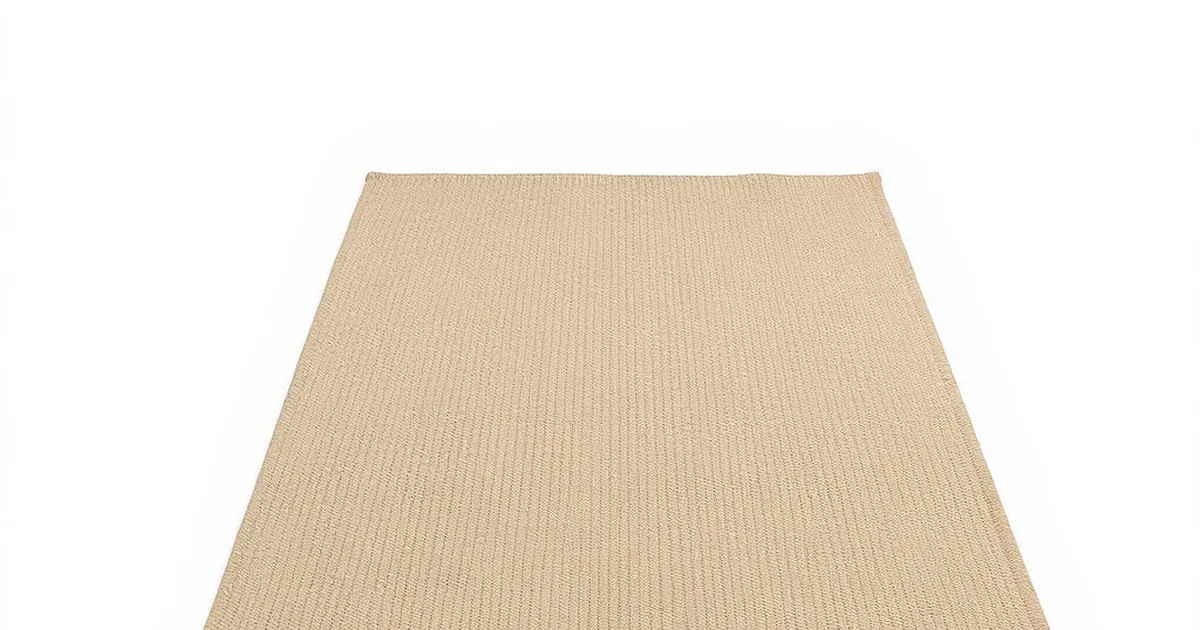
Three placement notes that separate working mats from decorative ones. First: the mat sits on the outside of the door's swing, so the door never pushes it out of position — a mat the door drags daily migrates and curls. Second: on hard floors, a mat with a natural latex or jute backing grips without the rubber-stick risk; on carpet, choose a mat with corner weights or pin backing. Third: leave a half-inch of floor visible around the mat — a mat jammed wall-to-wall in a narrow entry reads as wall-to-wall carpeting and trips the eye. The coir collection's flat weave takes these placements cleanly.
The same logic runs through the house: a coir mat at the back door (where garden traffic enters), at the garage-to-house door (where driveway grit enters), and at any pet door (you know why). Each mat costs less than one professional floor cleaning, and each one intercepts the specific dirt its door receives.
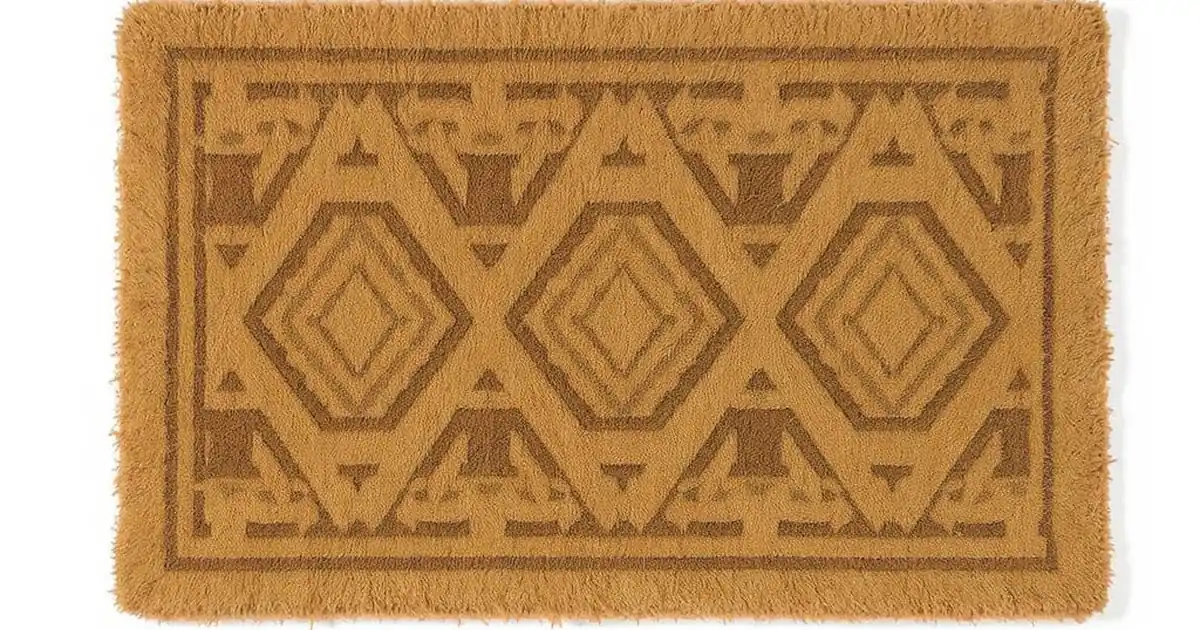
Function first, but the entry mat is also the house's first sentence — the thing a guest reads before the door opens. Coir's natural tones suit almost every facade, and the traditional designs — the rustic brown classic — read as heritage rather than hardware. The styling rules: the mat's tone should contrast the doorstep (dark mat on light stone, natural tan on dark wood), and a slightly larger mat reads more generous than a small one squeezed into the space. Homes that swap mats seasonally — darker for winter, lighter for summer — treat the entry as the room it is; the collection's two tones cover the rotation.
Entry protection is a system, not a purchase: the right fiber, sized to the door, layered inside and out, beaten clean monthly. Do that and the coir mat — the humblest rug in the house — quietly saves every other floor you own. Start with the entry collection, size it to your door, and let the mat do the work.