An area rug does more than cover a floor — it anchors a room, quiets footsteps, and turns hard surfaces into spaces you actually want to sit in. It is also the furnishing people most often buy in the wrong size and the wrong material for the room it lives in. This guide walks through the five decisions that matter: fiber, size, pile, traffic and room — in the order that narrows the choice fastest.
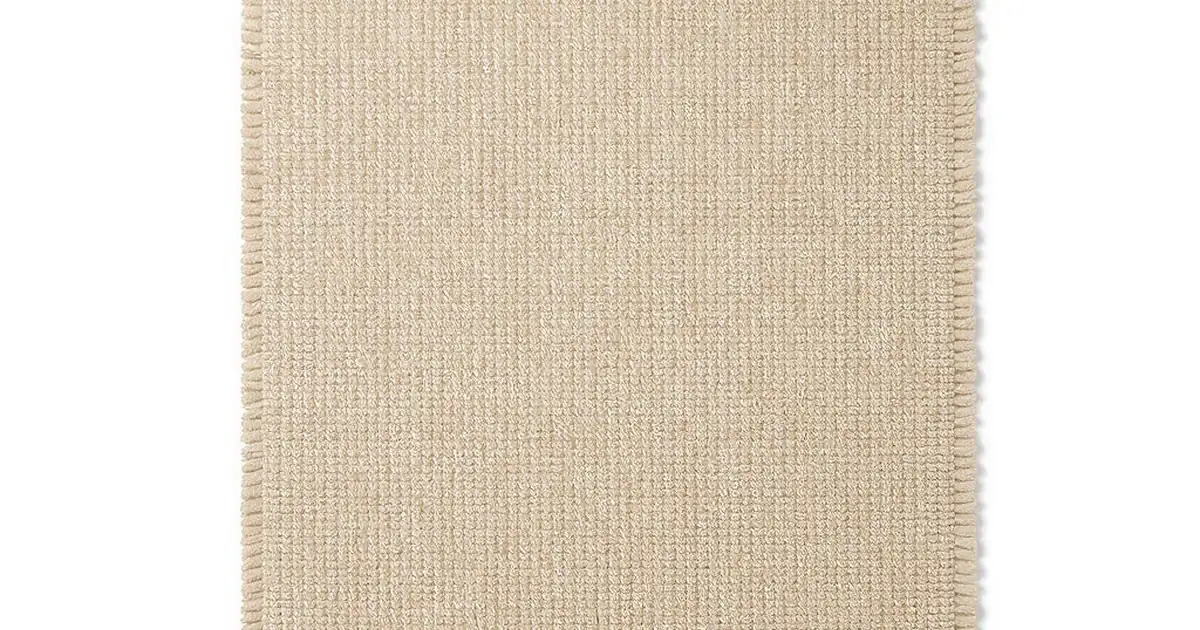
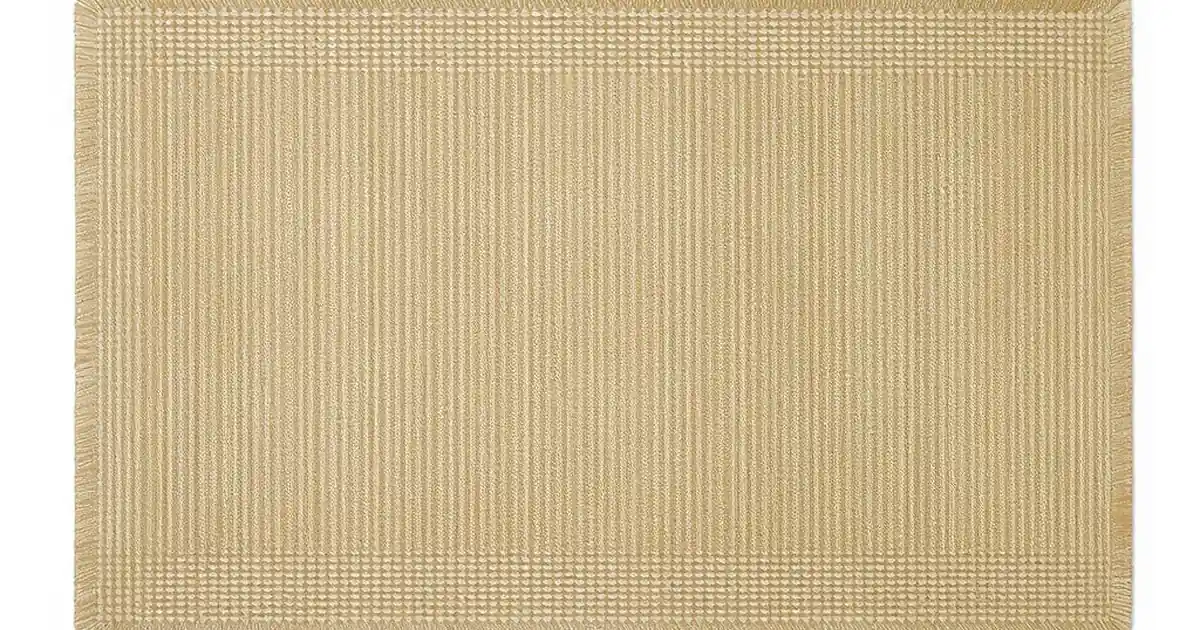
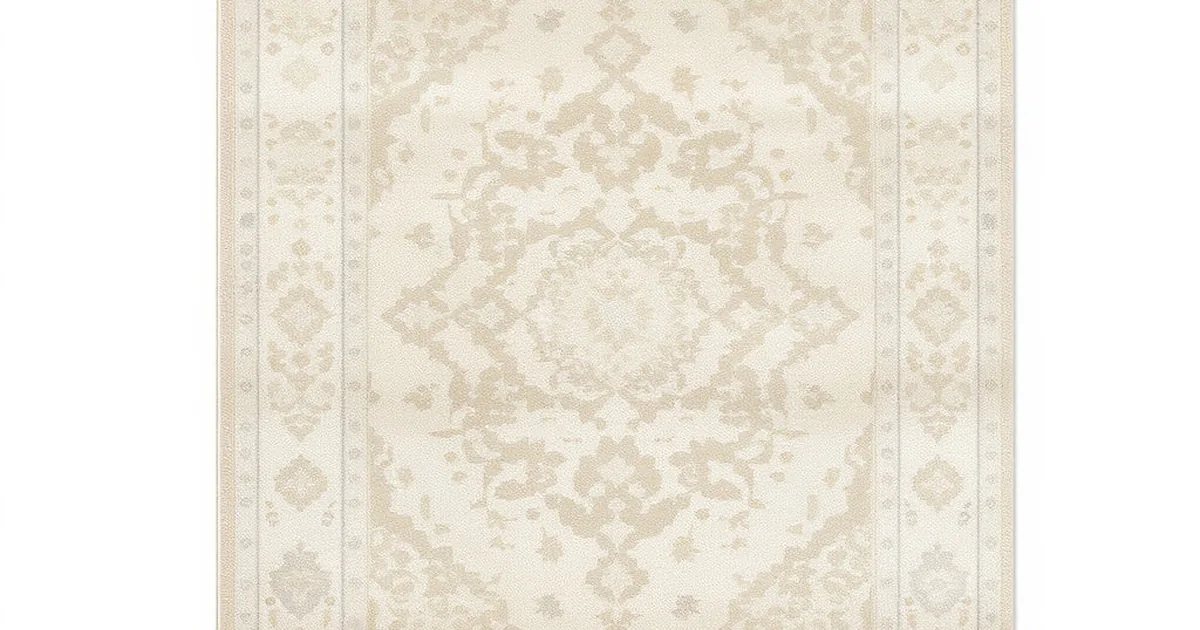
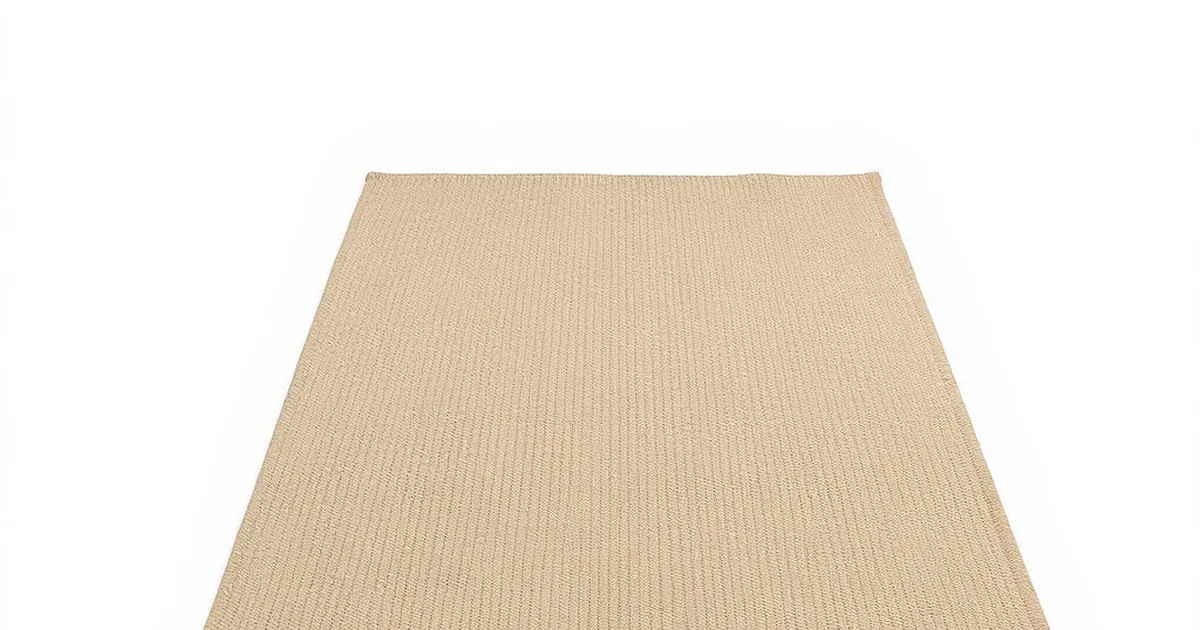
Natural fiber rugs are not interchangeable — each fiber answers a different household question. Jute is the softest of the plant fibers, with a gentle, slightly springy underfoot feel; it is the living-room and bedroom answer. Sisal and seagrass are the hardest-wearing fibers in home flooring — coarse underfoot but nearly indestructible, which is why they own hallways, stairs and high-traffic zones. Wool is the premium fiber: warm, naturally stain-resistant, and soft enough for bare feet — the bedroom and heirloom answer. Bamboo fiber brings a smooth, modern texture at the friendliest price.
Count the feet that cross the room daily. A living room crossed by kids, dogs and deliveries needs sisal or seagrass — fibers that shrug off everything. A bedroom under the bed's footprint sees slippers and bare feet; jute and wool earn their softness there. Entryways want the toughest fiber of all, usually in doormat form — more on that below.
The most common rug mistake is buying too small — a rug that floats under a coffee table makes the whole room look disjointed. The living-room rule: at least the front legs of every sofa and chair sit on the rug. The dining-room rule: the rug extends at least 24 inches beyond the table on every side, so chairs stay on the rug when pulled out. The bedroom rule: the rug extends at least 18–24 inches beyond the foot and sides of the bed. Our product pages list exact dimensions — the textured collection runs from 3x5 to 8x10 — so measure the room and its furniture first, then choose.
A 5x8 rug suits a small living room or the foot of a queen bed. An 8x10 anchors a full living-room seating arrangement or a king bed. Anything smaller than 4x6 is an accent, not an anchor — beautiful under a reading chair, lost under a sectional.
Pile is the height of the rug's surface fibers, and it changes both feel and function. Low pile (under 0.4 inch) cleans easily, sits under doors, and suits dining rooms where crumbs fall. Medium pile (0.4–0.6 inch, like our 0.5-inch bamboo rugs) balances comfort with cleanability — the living-room standard. High pile (1 inch and up, like the 1.25-inch wool heirloom) is the plush, sink-in choice for bedrooms and low-traffic rooms where comfort outranks vacuuming ease.
Living room: jute or bamboo for softness, sized to anchor the seating. Dining room: flatweave sisal or seagrass — chairs slide, crumbs vacuum. Bedroom: wool or high-pile blends for bare feet on cold mornings. Hallway and stairs: sisal — the fiber built for constant traffic. Entry: a coir doormat outside, something softer inside.
Natural fiber rugs price by fiber and size, which makes the budget conversation simple: sisal and seagrass deliver the most durability per dollar, jute delivers the most softness per dollar, and wool is the investment piece. A practical first-rug strategy: spend on the room where the rug is the star — the living room — and economize where it is the supporting act. Layering helps too: a coir doormat at the entry protects the investment rug inside, and a rug pad underneath any natural fiber adds cushioning, stops slipping, and doubles the rug's life by keeping grit off the weave's back.
Choose fiber for the traffic, size for the furniture, pile for the room — and the rug stops being decoration and starts being the floor your room is built around. Measure first, browse the collections by fiber, and let the room's real life pick the material.