Natural fiber rugs clean differently than synthetic ones — and the single most common way people ruin them is by treating them the same. Water, the universal cleaner, is the enemy of jute and the frenemy of sisal; wool wants less of it than you think. Here is the fiber-by-fiber routine, the spill playbook, and the mistakes that turn a beautiful rug into a stiff, stained disappointment.
All natural fiber rugs — jute, sisal, seagrass, bamboo — are cleaned primarily by removing dry soil, not by washing. Vacuum weekly (twice in high-traffic rooms), and vacuum without the beater bar on woven rugs: the rotating brush pulls at the weave's fibers. A beater-free vacuum or the hose attachment lifts grit from the weave's valleys without stressing it. Under the rug matters too — grit that passes through the weave abrades the floor and the rug's back, so lift and shake the rug monthly when size allows.
Speed decides everything. Blot — never rub — with a dry cloth first, pressing hard to pull liquid up. Then work from the spill's edge inward with a barely damp cloth and a drop of dish soap in water. Then the critical step for plant fibers: dry the spot fast and completely, with a fan or hairdryer on cool, because lingering moisture is what stains jute and waves sisal. Wool buys you a little more time, but not much.
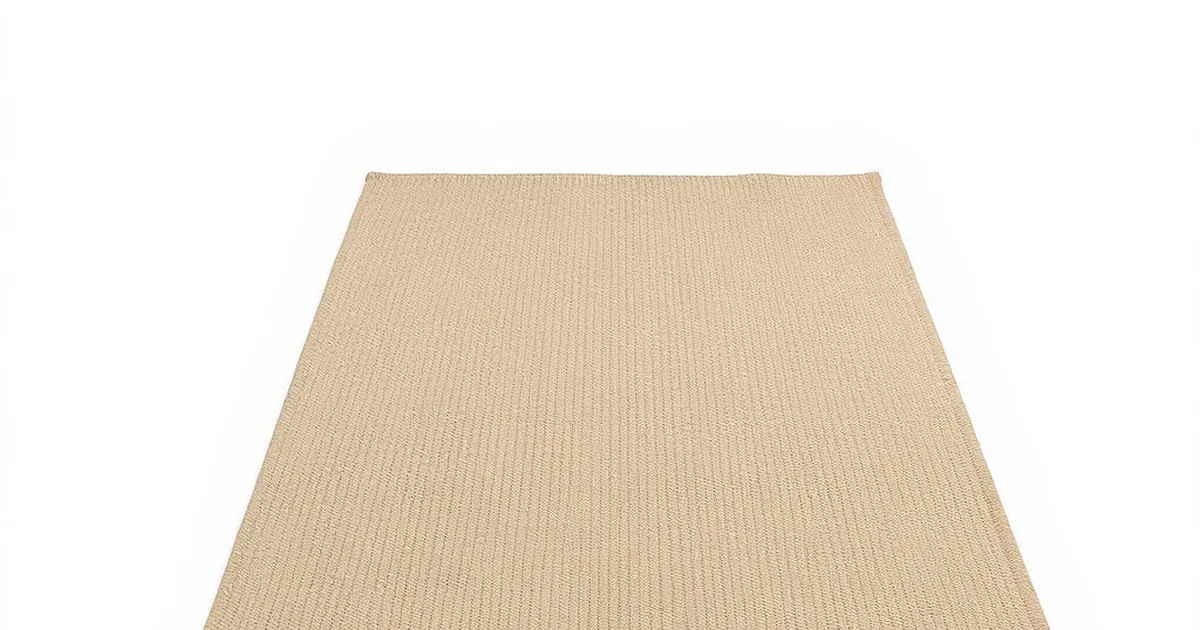
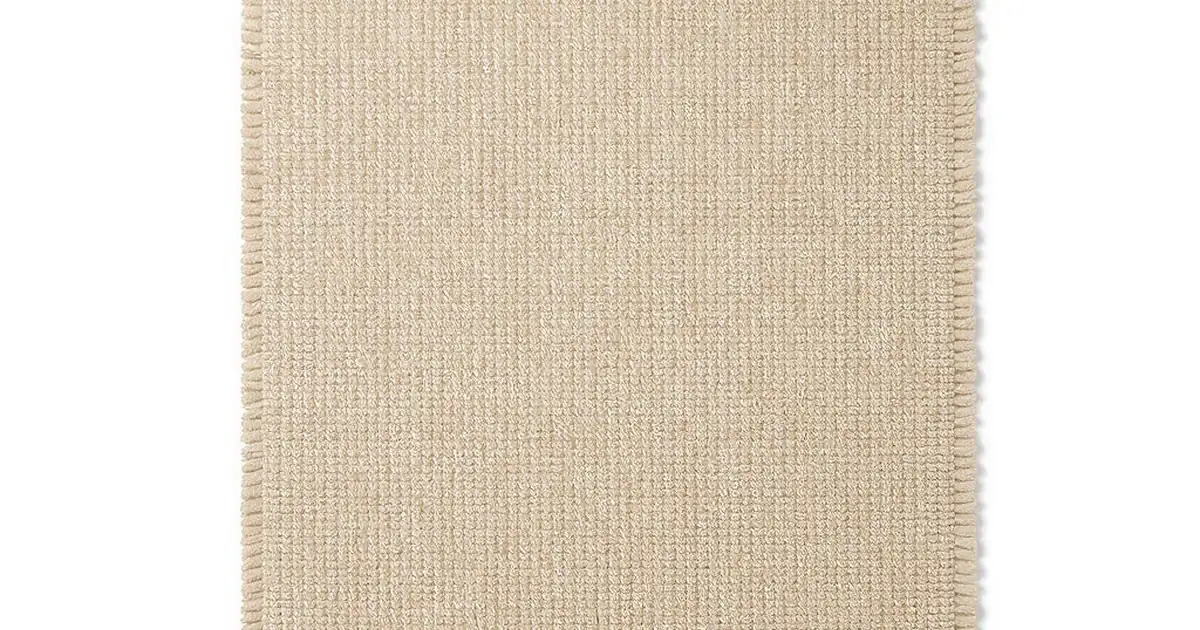
Jute's rule is simple: water stains it, weakens it, and browns it. Clean spills with the driest possible method — dry cloth first, then the minimum damp. For overall refresh, dry shampoo for rugs (or plain baking soda worked in and vacuumed out) lifts odors and grime without moisture. A jute rug that gets soaked may dry with permanent water marks and a stiff, board-like hand — prevention is the entire game. Our soft jute rugs reward this discipline for years; one flooded room ends them.
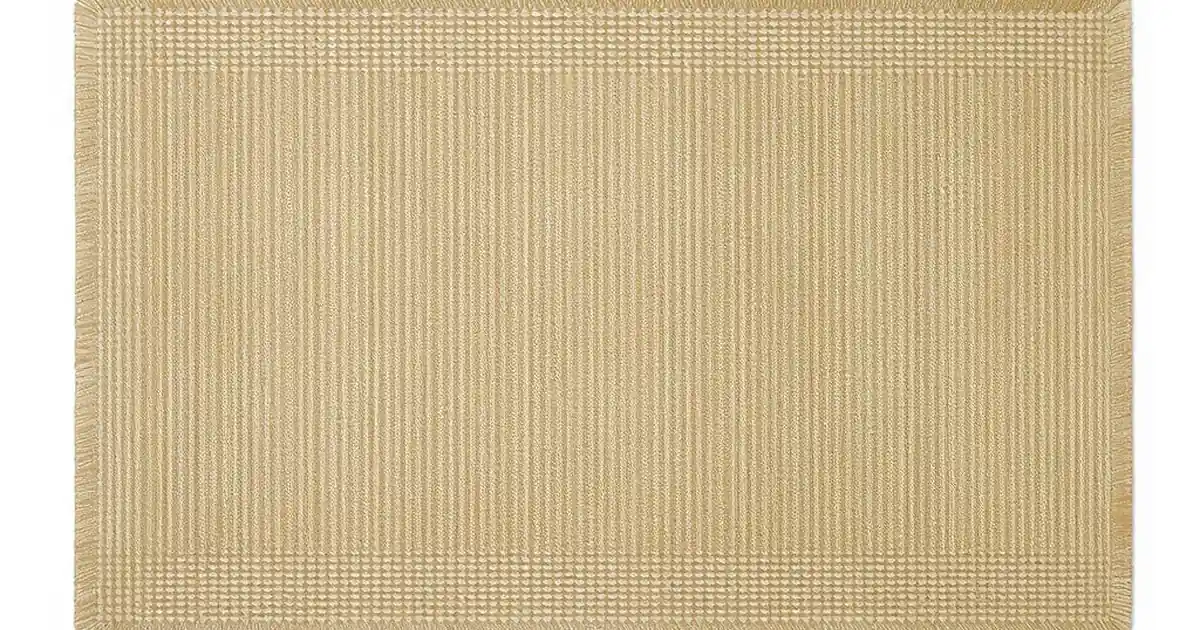
Sisal and seagrass forgive more than jute — seagrass even has a natural waxy coating that repels liquid long enough to blot most spills entirely. The routine: vacuum hard and often (these fibers hide grit in their weave), blot spills fast, and dry fast. The known weakness is the same as jute's: standing water stains and warps. A seagrass carpet in a dining room handles daily life beautifully; a flooded one does not.
Wool is the most cleanable fiber here — its lanolin coating resists stains, and its structure bounces back from almost everything except moths and heat. Vacuum weekly without the beater bar, blot spills with cold water, and shampoo annually with a wool-safe cleaner (or call a professional — worth it for heirloom pieces). Never use chlorine bleach on wool; it dissolves the fiber. The wool and hemp-wool carpets respond to this routine for decades.
All natural fibers fade in direct sun — unevenly, which is what looks bad. Rotate the rug every few months so any fading happens evenly, and the rug ages into a uniform patina instead of a two-tone problem. This single habit adds years of good looks to every rug in the house.
Once a year, every natural fiber rug earns a deep refresh — done dry. Take the rug outside on a dry day, drape it over a railing or a couple of chairs, and beat it with a broom handle the way rugs were cleaned for centuries; the embedded grit that vacuums miss falls out in a cloud. Follow with a firm brush-through in the weave's direction, a baking-soda deodorizing (worked in, left an hour, vacuumed), and — the step that matters most — a full day in gentle sun, which freshens fibers and kills dust mites without moisture. Bring it in, rotate it 180 degrees from its old position, and the rug starts its year renewed. The rustic jute textures especially benefit from this annual reset.
Steam cleaning: the saturation ruins jute and sisal — dry methods only.
Wet shampooing: same story; foam cleaners used sparingly are the ceiling of acceptable moisture.
Carpet cleaners with beater bars: they pull woven fibers loose at the edges first.
Bleach: yellows plant fibers, dissolves wool.
Slow drying: the root cause of stains, stiffness and odor — dry faster than you think necessary.
Natural fiber rugs are cleaned dry, blotted fast, and dried faster. Vacuum weekly, respect water's limits per fiber, rotate for the sun — and a sisal rug will still be anchoring the hallway a decade from now. The care is different, not difficult; it just asks you to fight instinct with a dry cloth.