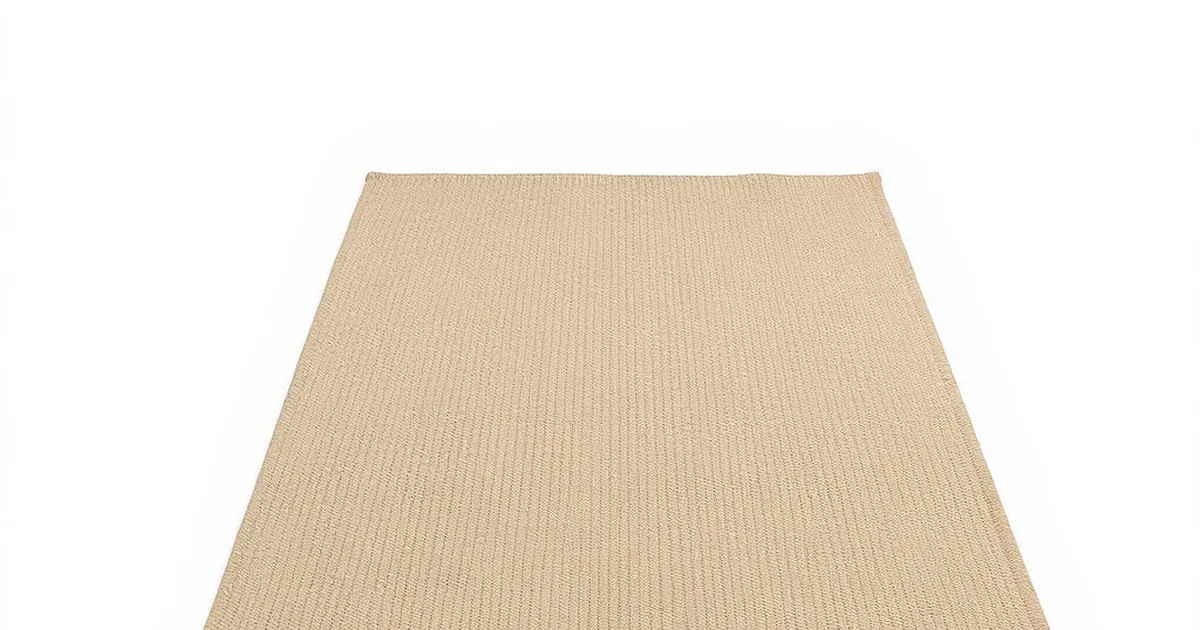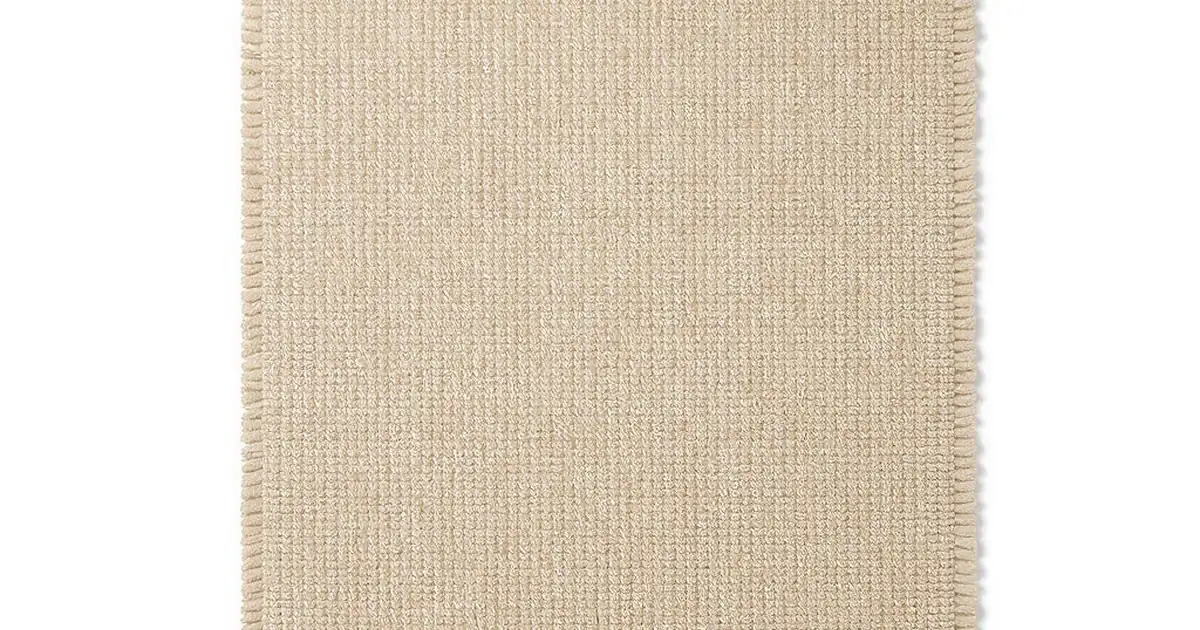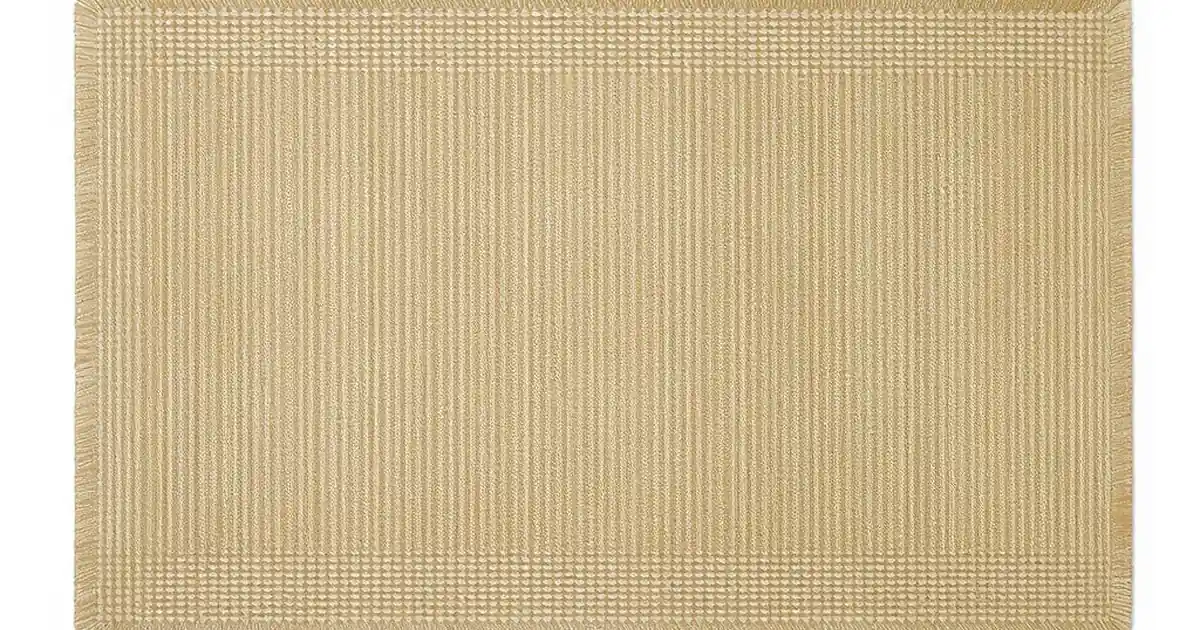
Sustainability claims carpet the home decor market, and most of them dissolve under a single question: what happens to this in ten years? Natural fiber rugs — jute, sisal, seagrass, bamboo, wool, hemp — answer that question better than any synthetic on the market, but the honest version of the story has more texture than the marketing. Here is what actually matters, fiber by fiber and claim by claim.
The plant fibers grow in months to a few years: jute matures in 4–6 months, sisal in 3–5 years, bamboo in 3–5 years (it is a grass, and one of the fastest renewable plants on earth), seagrass in a single season. Compare that to petroleum-based synthetics, which begin with drilling. Wool renews annually — sheep grow it back — and the hemp-wool blends add hemp, arguably the most low-impact fiber crop in agriculture: it grows dense, needs little water, and improves the soil it grows in.
Renewable raw material is half the story; processing is the other half. The best natural fiber processing is mechanical — fibers are extracted, spun and woven with heat and pressure, not chemical baths. That is traditional jute, sisal and seagrass processing, and it is why these rugs smell like the field, not a factory. The honest caveat: some imported rugs are treated with chemical finishes for shipping and moth-proofing — wool especially. Look for natural or minimal finishing, and air any new rug for a few days; the smell that leaves is the treatment that would have stayed.
A synthetic rug exists for centuries after its useful life; a natural fiber rug composts. Jute, sisal, seagrass and bamboo break down in years; wool in one to five. This is the quiet superpower of the category — the rug's end of life is soil, not landfill. The practical note: natural latex or jute backings break down too; synthetic glue backings do not, so check what holds the rug together when the sustainability claim matters to you.
The greenest rug is the one you do not replace. This is where the natural fibers' honest math lives: a sisal rug lasting 10–15 years in a hallway replaces four or five synthetic rugs over the same period. A wool heirloom lasting decades replaces a room's worth of carpet tiles. Longevity beats material origin — a durable natural fiber rug out-sustains a fragile organic-cotton one every time.
Synthetics can off-gas volatile organic compounds for months; natural fibers with minimal finishing off-gas essentially nothing. Wool goes further — it absorbs airborne pollutants and humidity, buffering the room's air. For nurseries and bedrooms, this is the argument that outranks all others: the fiber that grew in a field is the one you want under a sleeping child. Our bamboo and jute rugs are the entry points — affordable, naturally processed, and free of the off-gassing that comes with synthetic foam backings.
Choosing natural fiber changes more than the rug's footprint — it changes the room's whole material conversation. A jute rug next to a synthetic sofa asks for natural cushions beside it; a sisal hallway flatters wood and stone more than plastic. Interior designers call this material honesty — rooms feel right when their surfaces share a processing story. The practical takeaway: start with the floor, because it is the largest surface in the room, and let the natural fiber rug set the material standard everything else answers to. The textured collection is the starting point most rooms earn their look from.
Natural fiber is not impact-free. Jute farming is low-input but land-using; wool carries animal-agriculture's footprint; shipping from fiber-growing regions adds transport miles. The honest comparison is not "natural versus nothing" — it is natural fiber versus the synthetic it replaces, renewed every few years. On that comparison, the natural rug wins on renewability, biodegradability, longevity and air quality, and loses on nothing that matters.
Sustainable decor is not a certificate — it is a material choice repeated across a home. Natural fiber rugs win it the honest way: plants and sheep that regrow, processing that predates chemistry class, rugs that last decades and compost at the end. Start where the traffic is hardest — the sisal entry — and let the sustainable choice be the durable one.